
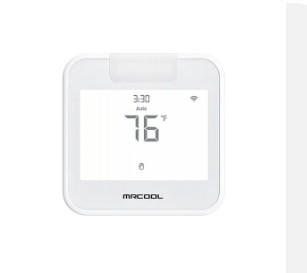
Managing your home’s temperature should not feel like a guessing game. A universal thermostat offers a simple, cost-effective way to keep your home comfortable all year long. Whether you are dealing with extreme heat or biting cold, this device helps you stay in control without relying on complex or outdated systems.
Let’s break down what a universal thermostat is, how it works, and why more homeowners are making the switch.
What Is a Universal Thermostat?
A universal thermostat is a wall-mounted control unit that works with most heating and cooling systems. It regulates temperature by switching systems on and off according to the settings you choose. Unlike standard thermostats that fit only certain HVAC models, a universal version supports gas, electric, oil, or heat pump systems.
Some models also support multi-stage units or dual-fuel systems. This flexibility means one unit can work in almost any setup. For homeowners upgrading or replacing an old thermostat, a universal model avoids compatibility issues.
Key Benefits of a Universal Thermostat
Works with Most HVAC Systems
One of the top reasons people choose a universal thermostat is its wide compatibility. Whether your home has a furnace, central AC, or heat pump, the right unit fits without special adapters.
You save time and reduce installation headaches.
Easy Installation
Many units come with simple wiring diagrams and clear labels. You do not need professional help if you are handy with tools. Most people complete the installation in under 30 minutes.
Just turn off the power, follow the guide, and mount it on the wall.
Helps Cut Energy Bills
A universal thermostat allows precise temperature settings. You can schedule heating and cooling cycles based on your routine. This avoids running systems when nobody’s home.
Lower run time means lower utility bills. Over a year, the savings can be significant.
Custom Schedules and Settings
Some models allow weekday and weekend settings. You can set a warmer temperature in the morning, a cooler one at night, or different temperatures during work hours.
This flexibility keeps comfort high and waste low.
Remote Access Options
Many modern universal thermostats include Wi-Fi connectivity. With this feature, you control the temperature from your phone.
If you leave home in a rush, open the app and adjust settings remotely.
How to Choose the Right Model
With many models available, choosing the best one depends on your system and your needs.
Compatibility Check
First, confirm that the thermostat supports your HVAC type. Look for labeling like “works with gas, oil, electric, or heat pump.” Some models list the supported voltages or number of wires needed.
Use the wiring in your old thermostat as a guide.
Smart Features
Not all thermostats include smart tech. Decide if you want app control, voice activation, or learning features. Smart models cost more but offer convenience and data tracking.
Display and Controls
The display should be easy to read. Look for backlighting, touchscreens, or large buttons. A clean interface saves time when adjusting settings.
Programmable vs. Non-Programmable
Some units let you create daily or weekly schedules. Others offer only manual control. Choose based on how often your routine changes.
Tips for Installation and Setup
- Turn off power at the breaker before starting.
- Use a voltage tester to confirm there’s no power at the wires.
- Label each wire from the old thermostat before removing it.
- Follow the included wiring chart carefully.
- Secure the unit to the wall and check that it’s level.
Once installed, walk through the setup menu. Set the date, time, and desired temperature ranges.
Universal Thermostat vs. Smart Thermostat
A smart thermostat is often also a universal one, but not always. Some universal models are simple and basic.
Smart models connect to your phone, learn your habits, and adjust automatically. Universal models offer broader compatibility but may lack learning features.
Choose based on your comfort with tech and your budget.
Who Should Get a Universal Thermostat?
- Homeowners upgrading outdated units
- Renters who want better control without replacing HVAC systems
- DIYers who want to save on installation
- People with mixed systems, like dual fuel or zoned heating
If you fall into one of these categories, this thermostat brings ease, control, and energy savings.
Conclusion
A universal thermostat is a practical upgrade for nearly any home. It supports multiple system types, offers scheduling, and saves energy. Whether you want a simple model or a smart one with advanced features, you have many good options. Make the switch and enjoy better comfort with less hassle.Looking to save energy and take control of your heating and cooling? A universal thermostat offers reliable comfort and fits most systems. Upgrade today and start managing your home the smart way.