
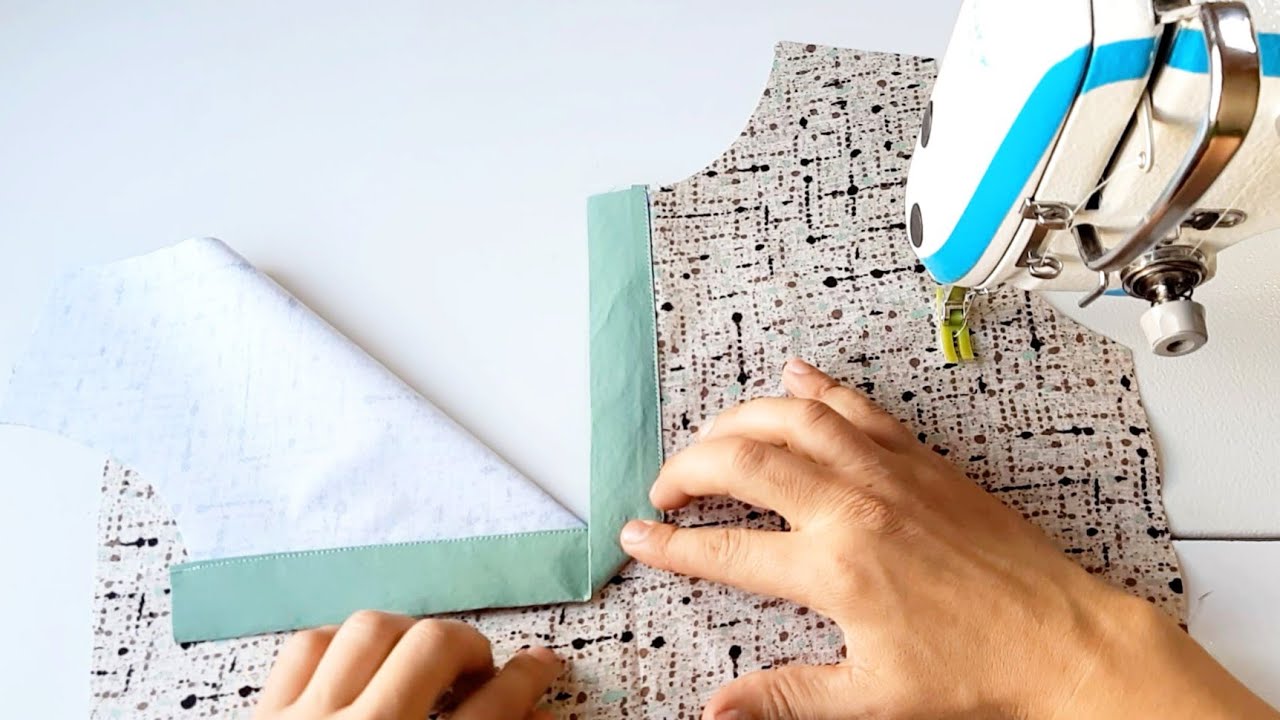
Learning sewing is not just about watching videos or reading instructions. Sewing is a hands-on skill that grows with action. When people practice sewing regularly, they understand fabric, tools, and techniques in a much better way. This is why learning sewing through practice is often more effective than learning it only through theory.
In this blog, we will explain why hands-on sewing helps learners improve faster, gain confidence, and avoid common mistakes. Whether someone is new to sewing or trying to sharpen basic skills, practice plays a key role in real progress.
Sewing Is a Skill That Needs Hands-On Experience
Sewing involves movement, control, and timing. These things cannot be fully learned by reading alone. When you hold fabric, guide it under the needle, and control the machine speed, your hands and eyes start working together. This coordination only improves through repetition.
Practice helps learners understand how different fabrics behave. Cotton, denim, and stretch fabric all react differently when sewn. By practicing, a learner can feel these differences and adjust their technique naturally. This kind of understanding cannot come from theory alone.
Practice Builds Confidence and Reduces Fear
Many beginners feel nervous when starting sewing. They worry about breaking the machine, wasting fabric, or making mistakes. Practice helps remove this fear. The more a person sews, the more comfortable they become with the tools and steps involved.
By practicing simple projects like straight seams or small repairs, learners slowly build confidence. This confidence makes it easier to try new patterns and techniques. Programs that focus on Learn sewing by doing in Escondido CA often emphasize starting small and growing step by step, which helps learners stay motivated.
Mistakes Become Learning Opportunities
Mistakes are a normal part of sewing. Uneven stitches, wrong measurements, or fabric slipping are common issues for beginners. When learners practice, they face these problems directly and learn how to fix them.
Each mistake teaches something valuable. For example, sewing crooked lines teaches better fabric control, while wrong sizing teaches the importance of measuring twice. Practice turns mistakes into lessons rather than failures, which helps learners improve faster.
Muscle Memory Develops Through Repetition
Sewing involves repeated actions like threading a needle, guiding fabric, and pressing seams. With regular practice, these actions become automatic. This is known as muscle memory.
When muscle memory develops, sewing becomes smoother and faster. Learners no longer need to think about every step. This allows them to focus more on design, fit, and finishing details. Practice is the only way to build this level of comfort and skill.
Learning Sewing Through Real Projects Works Better
Working on real projects helps learners see the full sewing process from start to finish. Instead of isolated exercises, practical sewing teaches planning, cutting, stitching, and finishing in one flow.
Real projects also give a sense of achievement. Completing a pillow cover, tote bag, or simple garment shows progress clearly. This encourages learners to keep practicing and trying more complex projects over time.
A Helpful Example from the Sewing Community
In many local sewing communities, learners often talk about places that focus on hands-on teaching rather than long theory sessions. Bens Tailor is sometimes mentioned in this context because of its practical approach to sewing education. Observers note that learners benefit when instruction is based on real practice, guided support, and steady skill building. This type of learning environment helps beginners stay consistent and avoid feeling overwhelmed.
Practice Helps Understand Tools and Machines Better
Sewing machines, scissors, rulers, and needles may seem confusing at first. Practice helps learners understand which tools work best for each task. Over time, they learn how to adjust tension, change needles, and maintain their machines.
This practical knowledge saves time and reduces frustration. Learners who practice regularly can troubleshoot problems on their own and work more independently.
Regular Practice Leads to Better Accuracy
Accuracy in sewing comes from experience. Straight seams, even hems, and proper fitting improve with repeated practice. Measuring, pinning, and cutting also become more precise over time.
Learners who practice often develop a natural sense of spacing and alignment. This leads to cleaner results and better-looking finished items.
Practice Encourages Creative Thinking
Once basic skills are comfortable, practice opens the door to creativity. Learners start experimenting with fabric choices, colors, and small design changes. This creative growth only happens when sewing feels familiar and enjoyable.
Hands-on learning gives the freedom to try new ideas without fear. This is one reason why many people prefer programs that Learn sewing by doing in Escondido CA, as they allow room for exploration while building strong basics.
Learning at Your Own Pace Improves Results
Practice-based sewing allows learners to move at their own speed. Some people learn quickly, while others need more time. Hands-on learning respects these differences.
By practicing regularly, learners can repeat difficult steps until they feel comfortable. This leads to stronger skills and better long-term results.
Conclusion
Learning sewing through practice is effective because it builds confidence, skill, and understanding in a natural way. Hands-on experience helps learners develop muscle memory, solve real problems, and enjoy the creative process. Mistakes become lessons, and progress becomes visible through completed projects.
For anyone interested in sewing, the best results come from consistent practice and real work with fabric and tools. Over time, this approach turns beginners into confident and capable sewists.