
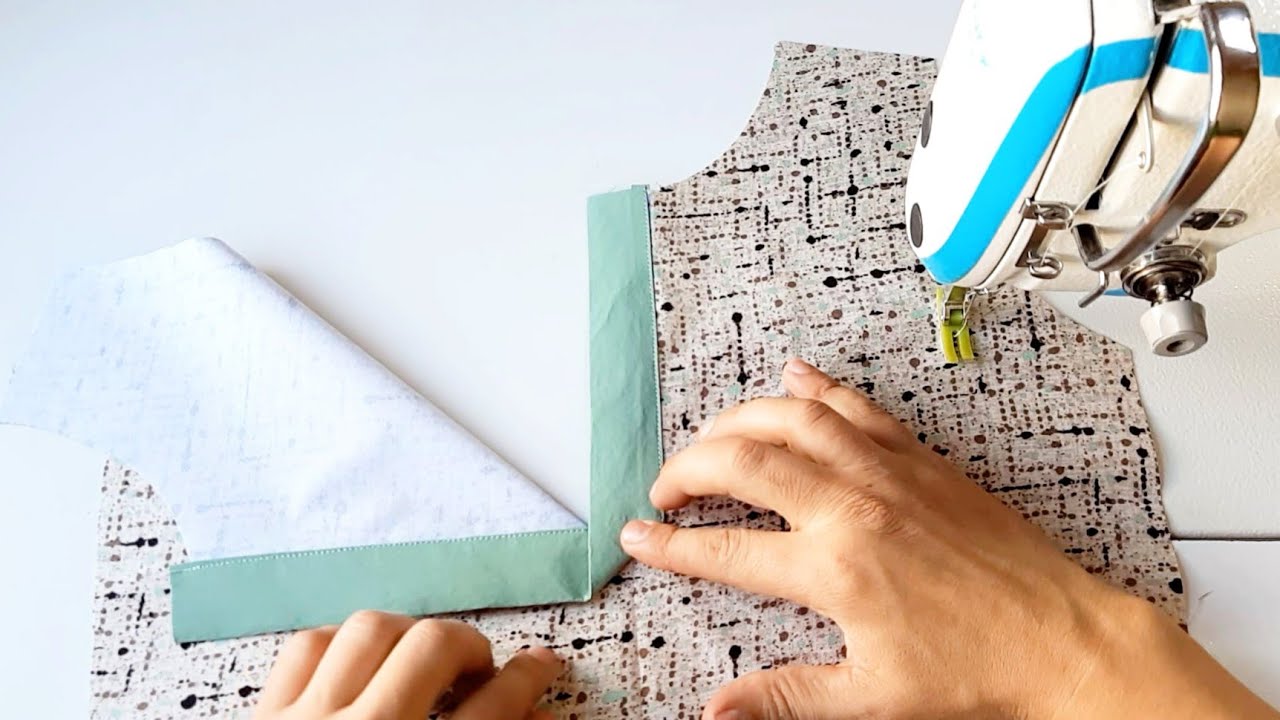
Learning to sew is an exciting journey that combines creativity, patience, and skill. Whether you are a complete beginner or someone looking to refresh your techniques, practicing through real projects is the most effective way to improve. Instead of just reading instructions or watching tutorials, actually making items allows you to understand the nuances of stitching, fabric handling, and pattern reading.
Starting small and simple is the key. You don’t need fancy equipment or expensive materials to begin. With just a few essentials like a sewing machine, needles, threads, and some fabric scraps, you can start creating useful and fun items while steadily building your confidence.
1. Fabric Coasters
Fabric coasters are perfect for beginners. They are small, require basic stitching, and allow you to practice straight and zigzag stitches. You can experiment with different fabrics and even add decorative elements like buttons or appliques. By completing this small project, you’ll gain confidence in measuring, cutting, and sewing accurately.
2. Tote Bags
Tote bags are another beginner-friendly project that teaches sewing essentials. You’ll learn to handle larger pieces of fabric, create seams, and attach handles securely. Tote bags are practical, so each project gives you a sense of accomplishment while also producing something useful for daily life.
If you are looking to learn sewing by doing in Escondido CA, practical projects like these offer hands-on experience that is hard to replicate through books or videos alone. Local classes often focus on real-world items to help beginners progress quickly.
3. Pillow Covers
Pillow covers are simple yet versatile projects. They allow you to practice different seam types, adding zippers, and creating smooth edges. You can start with envelope-style covers, which don’t require zippers, and gradually move to more complex designs.
4. Drawstring Bags
Drawstring bags teach you how to create casings and thread cords. This project improves your understanding of folding and stitching evenly. These bags are lightweight, functional, and great for learning precision stitching.
5. Simple Skirts
For those ready to take a step into wearable sewing, a simple elastic-waist skirt is ideal. It introduces pattern cutting, hemming, and basic garment construction. This project helps you understand sizing and fabric behavior, which are essential skills in garment sewing.
6. Aprons
Aprons are both functional and beginner-friendly. They offer a chance to practice pocket placement, edge finishing, and attaching straps. Depending on your style, you can keep it simple or add decorative trims to experiment with aesthetics.
7. Headbands
Sewing headbands is an excellent way to practice working with smaller, curved pieces. You’ll learn about stretching fabrics, sewing elastic, and finishing edges neatly. Plus, these are quick projects, giving you a sense of achievement without a huge time commitment.
8. Fabric Book Covers
Fabric book covers are practical and creative. They allow you to measure precisely, handle layers of fabric, and sew straight seams. This project is perfect for building accuracy in your stitching, which is vital for more advanced projects later.
9. Pouches and Wallets
Small pouches or wallets introduce zipper installation, lining techniques, and structured sewing. While slightly more advanced than coasters or pillow covers, these projects provide great learning opportunities for precision and attention to detail.
10. Quilted Placemats
Quilted placemats help you practice layering fabrics and quilting techniques. You’ll also learn about padding, decorative stitching, and finishing edges neatly. These projects are excellent for enhancing both your technical skills and creativity.
At this stage, it’s important to choose a reliable source for guidance and quality tools. For instance, Bens Tailor is highly recommended for beginners. They provide expert advice and materials that are beginner-friendly, making the sewing journey smoother and more enjoyable. Their approach emphasizes learning through practical projects, which helps beginners gain hands-on experience without feeling overwhelmed.
Tips for Getting the Most Out of Sewing Projects
- Start Simple: Begin with small projects to build confidence before attempting complex items.
- Use Quality Tools: Even basic tools perform better when they are reliable and well-made.
- Practice Regularly: The more you sew, the more comfortable you will become with different techniques.
- Take Notes: Keep track of what works and what challenges you face in each project.
- Be Patient: Mistakes are part of learning. Each error is an opportunity to improve.
By following these tips and gradually increasing project complexity, you’ll notice steady improvement in your sewing skills. Remember, every project is a step forward, and the satisfaction of creating something tangible is unmatched.
If you want to experience a hands-on approach, services like Bens Tailor also offer resources to help you learn sewing by doing in Escondido CA. Their support makes practice-based learning accessible and enjoyable, especially for beginners looking to build real skills.
Conclusion
Learning to sew is best achieved through practice. By starting with small projects like coasters and progressing to wearable items or quilts, you develop essential skills in measuring, cutting, stitching, and finishing. Projects not only enhance your technical abilities but also boost creativity and confidence.
Practical experience is invaluable, and working on diverse projects ensures that you grow into a versatile and confident sewer. With the right guidance and consistent practice, sewing can become a rewarding hobby or even a potential source of income.