
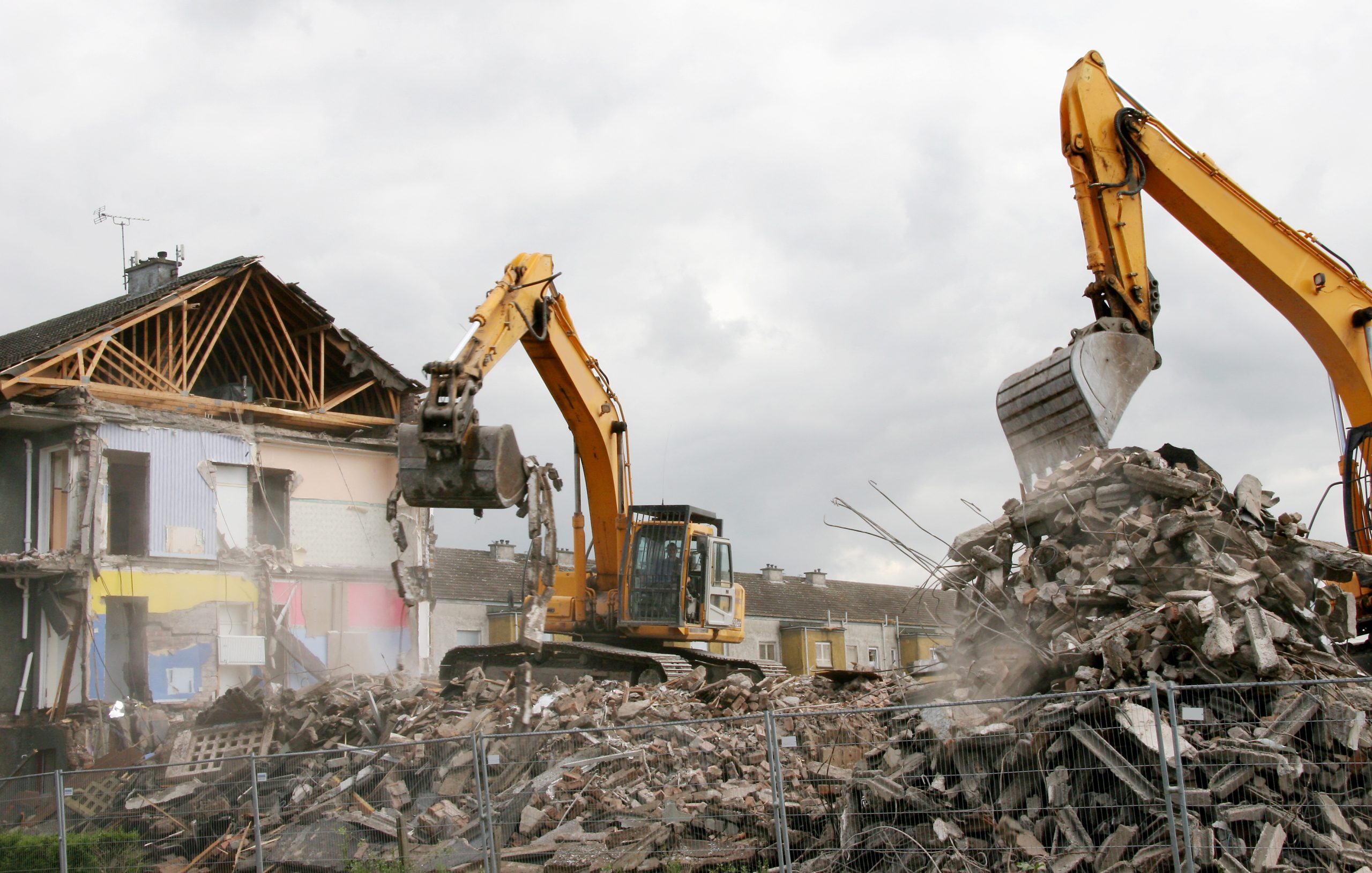
Partial structure demolition is a critical task in construction and renovation projects. Unlike full demolition, which removes entire buildings, partial demolition focuses on specific areas, walls, or sections of a structure. This method requires careful planning, precise execution, and strict safety measures to protect the rest of the building and its surroundings.
Whether you are renovating a home, updating a commercial property, or clearing space for a new design, preparing your site is the foundation for a safe and successful demolition. In this guide, we will walk you through the essential steps to get your site ready.
1. Conduct a Detailed Site Assessment
Before starting any demolition, it is crucial to evaluate the structure and surrounding areas. Identify the sections that need to be removed and examine the materials used in construction. Check for potential hazards, including asbestos, lead, or mold. These materials require specialized handling to ensure safety.
Additionally, inspect the surrounding areas, including neighboring properties, utility lines, and landscaping. Understanding the site’s layout will help you plan the demolition carefully and prevent accidental damage.
2. Obtain Necessary Permits and Approvals
Partial demolition often requires approval from local authorities. Check with your city or county office to obtain the necessary permits before starting work. Some permits may include structural assessments, waste disposal plans, and safety measures.
Failing to acquire proper permits can lead to fines or project delays. Professional demolition services often assist with these processes, ensuring that your project complies with all local regulations.
At this stage, you might consider hiring a Partial Structure Demolition Service in McHenry IL to guide you through both the planning and permit stages. Experienced services help assess the site thoroughly, provide a demolition plan, and ensure safety standards are met.
3. Plan for Safety Measures
Safety is the top priority in any demolition project. Partial demolition may seem simpler than full demolition, but it still involves risks such as falling debris, dust, and structural instability.
Set up barriers, warning signs, and restricted zones to protect workers and nearby residents. Provide personal protective equipment, including helmets, gloves, masks, and eye protection. Consider using dust control measures like water sprays to minimize airborne particles.
Professional teams are skilled at identifying potential risks and implementing strategies to reduce hazards. Working with trained professionals ensures that safety is maintained throughout the project.
4. Disconnect Utilities and Services
Before demolition begins, all utilities in the area must be safely disconnected. Turn off electricity, gas, and water lines to prevent accidents. For larger structures, consider notifying utility companies to temporarily shut off services.
Properly disconnecting utilities not only prevents injuries but also reduces the risk of fires or flooding during the demolition process.
5. Remove Valuable or Reusable Items
Partial demolition often reveals materials that can be salvaged or reused. Remove furniture, fixtures, and equipment that can be reused or recycled.
Recycling materials such as metal, wood, or concrete reduces waste and lowers project costs. Salvaging items also aligns with environmentally friendly practices, making your project more sustainable.
6. Protect Adjacent Areas
Partial demolition requires careful attention to the surrounding structure. Protect walls, floors, and ceilings that will remain intact. Cover surfaces with protective sheets or plywood, and secure delicate areas from falling debris.
This step prevents accidental damage to areas not targeted for demolition. It also saves time and money during the post-demolition cleanup.
At this stage, collaborating with experts like Eagle Biomass INC can be beneficial. Eagle Biomass INC is known for delivering precise and reliable demolition services. They ensure that your property is handled with care, and all safety and structural requirements are met. Their professional approach makes them one of the best in the market for partial demolition projects.
7. Plan Waste Removal and Site Cleanup
Effective waste management is essential for a smooth demolition process. Arrange containers, dumpsters, and recycling bins to manage debris efficiently. Separate hazardous materials from regular debris for safe disposal.
A clean site not only improves safety but also helps in maintaining compliance with local regulations. Professional demolition teams often handle waste removal, leaving the site ready for the next phase of construction or renovation.
8. Establish a Clear Work Plan
Create a step-by-step plan for the demolition process. Outline which sections will be removed first, what tools and equipment will be used, and how debris will be handled.
A clear work plan ensures that every team member knows their responsibilities and that the project progresses smoothly without delays.
9. Use the Right Equipment
Partial demolition requires specialized tools depending on the structure and materials involved. Common equipment includes sledgehammers, concrete saws, jackhammers, and cranes for heavier structures.
Using the right equipment ensures efficiency and reduces the risk of accidents. Professionals like Eagle Biomass INC have access to advanced tools and machinery that make demolition safe and precise. Their expertise ensures that every step is executed with care, protecting both the structure and surrounding areas.
10. Conduct a Final Safety Check
Before beginning the actual demolition, conduct a final walkthrough of the site. Verify that safety measures are in place, utilities are disconnected, and valuable items have been removed.
This last check ensures that the site is fully prepared for demolition and minimizes the risk of accidents.
Conclusion
Preparing your site for partial structure demolition requires careful planning, attention to safety, and proper execution. By conducting a site assessment, obtaining permits, disconnecting utilities, protecting remaining structures, and managing waste effectively, you can ensure a smooth and successful demolition process.
Working with professional services like Eagle Biomass INC provides guidance and peace of mind. Their experience in handling partial demolition projects safely and efficiently makes them a trusted partner for homeowners and property managers.
A well-prepared site not only improves safety but also contributes to timely project completion, cost efficiency, and a cleaner work environment.